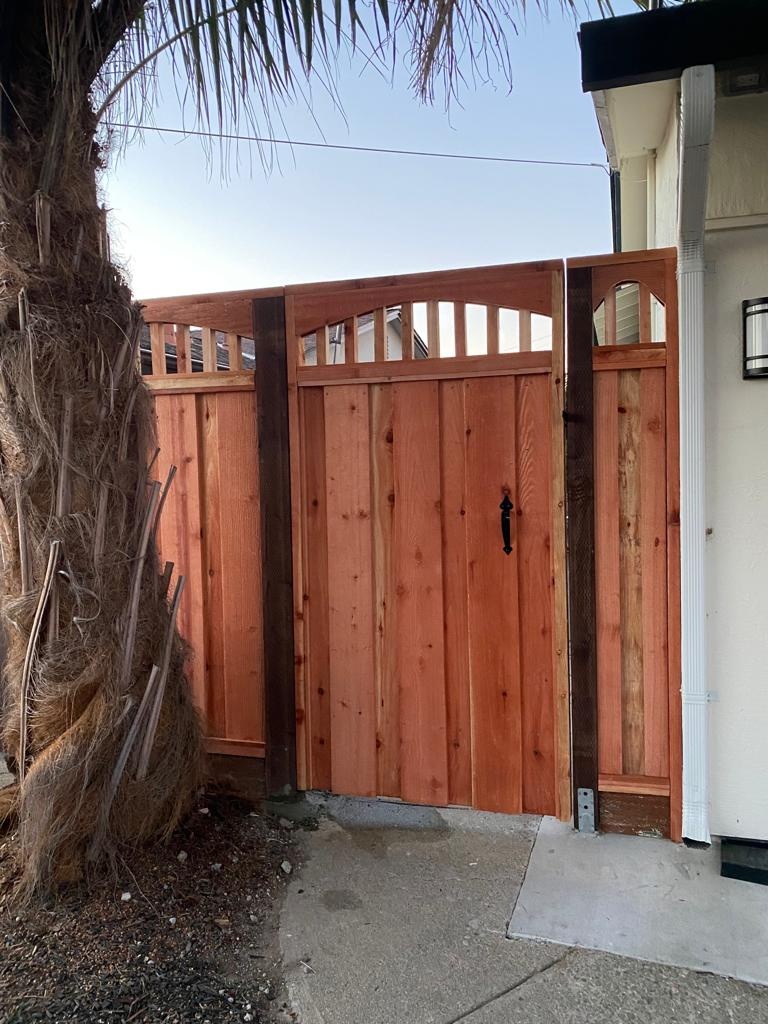
Board on Board Redwood
A privacy-focused fence with overlapping boards and a finished appearance from both sides — especially useful for shared property lines.
 HOME
HOME
Local fence contractor and fence company specializing in redwood fence installation, wood privacy fencing, gates, repair and replacement.
Hayward runs from the San Francisco Bay shoreline into the East Bay hills. That range of terrain creates very different fence conditions from one neighborhood to another — from flatter low-lying lots to sloped hillside properties.
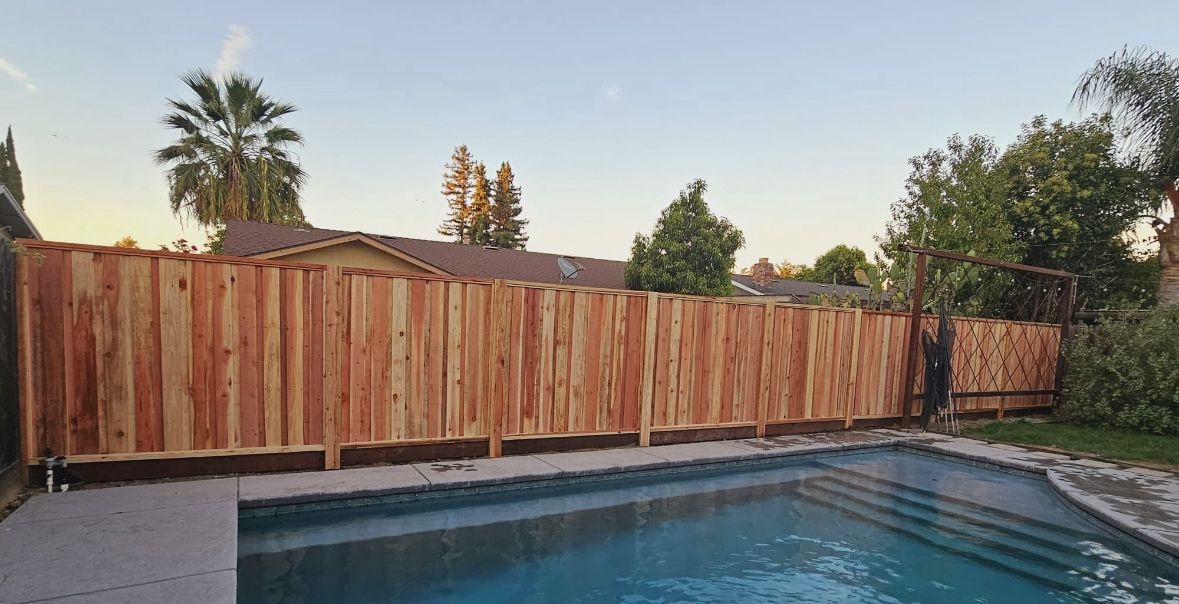
Hayward’s landscape is unusually varied for one East Bay city. The western side includes low-lying shoreline and Baylands, while the eastern side rises into rolling and steeper hills. The City describes Hayward’s scenic setting in terms of shoreline, natural topography, grasslands and rolling hills.
That matters for fences. Near flatter areas, drainage, old concrete and ground conditions may be the bigger issue. In hillside neighborhoods, the grade of the property can affect how sections transition, how gates swing and how privacy works when neighboring yards sit at different elevations.
Hayward is known as the “Heart of the Bay,” and the city spans shoreline, established post-war neighborhoods, creek corridors, the Hayward Fault zone and hillside communities. A fence plan should respond to the property instead of treating every Hayward address the same. If you are searching for a Hayward fence company, wood fence contractor, redwood fence contractor or local fence installer, our team can review the property and recommend the right build.
Hermanos Fence provides residential wood fence installation for homeowners looking for a Hayward fence contractor, fence company, redwood fence installer, fence builder, privacy fence contractor, fence repair contractor or fence replacement contractor.
A privacy-focused fence with overlapping boards and a finished appearance from both sides — especially useful for shared property lines.
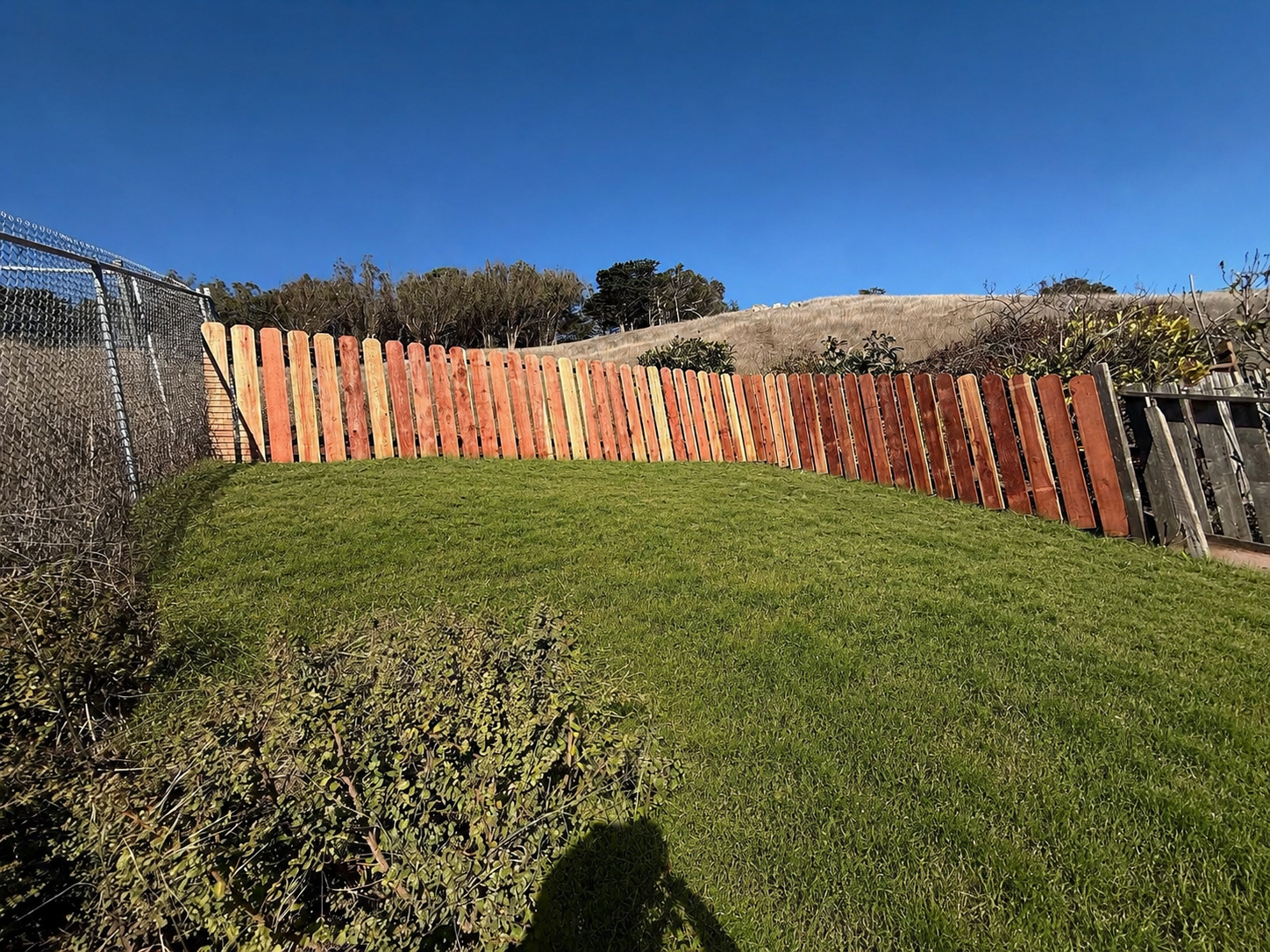
A classic redwood style for long backyard runs, straightforward replacements and homeowners who want the traditional look of a wood fence.
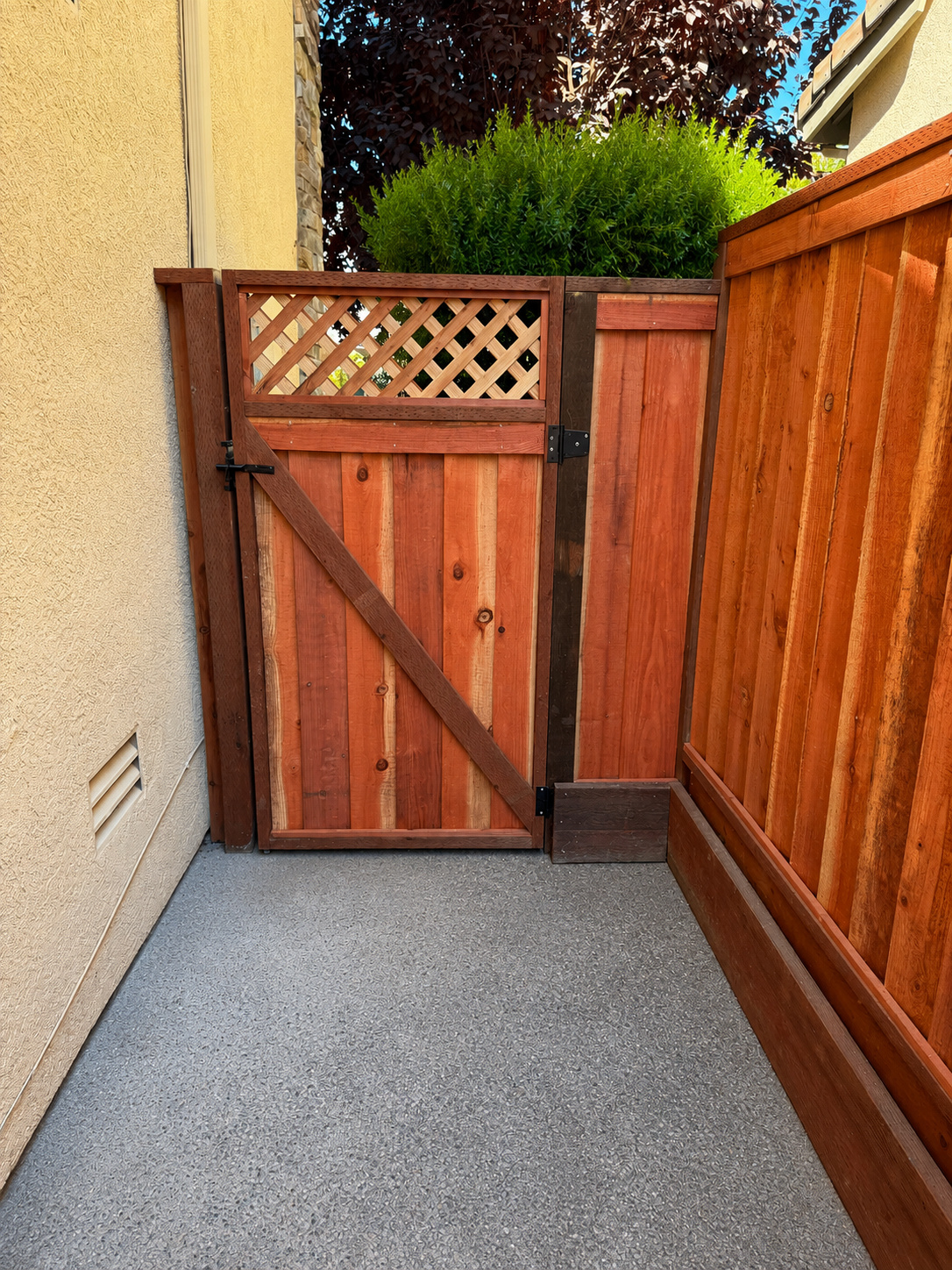
Walk-through and side-yard gates built to match the surrounding fence, with attention to access and ground clearance.
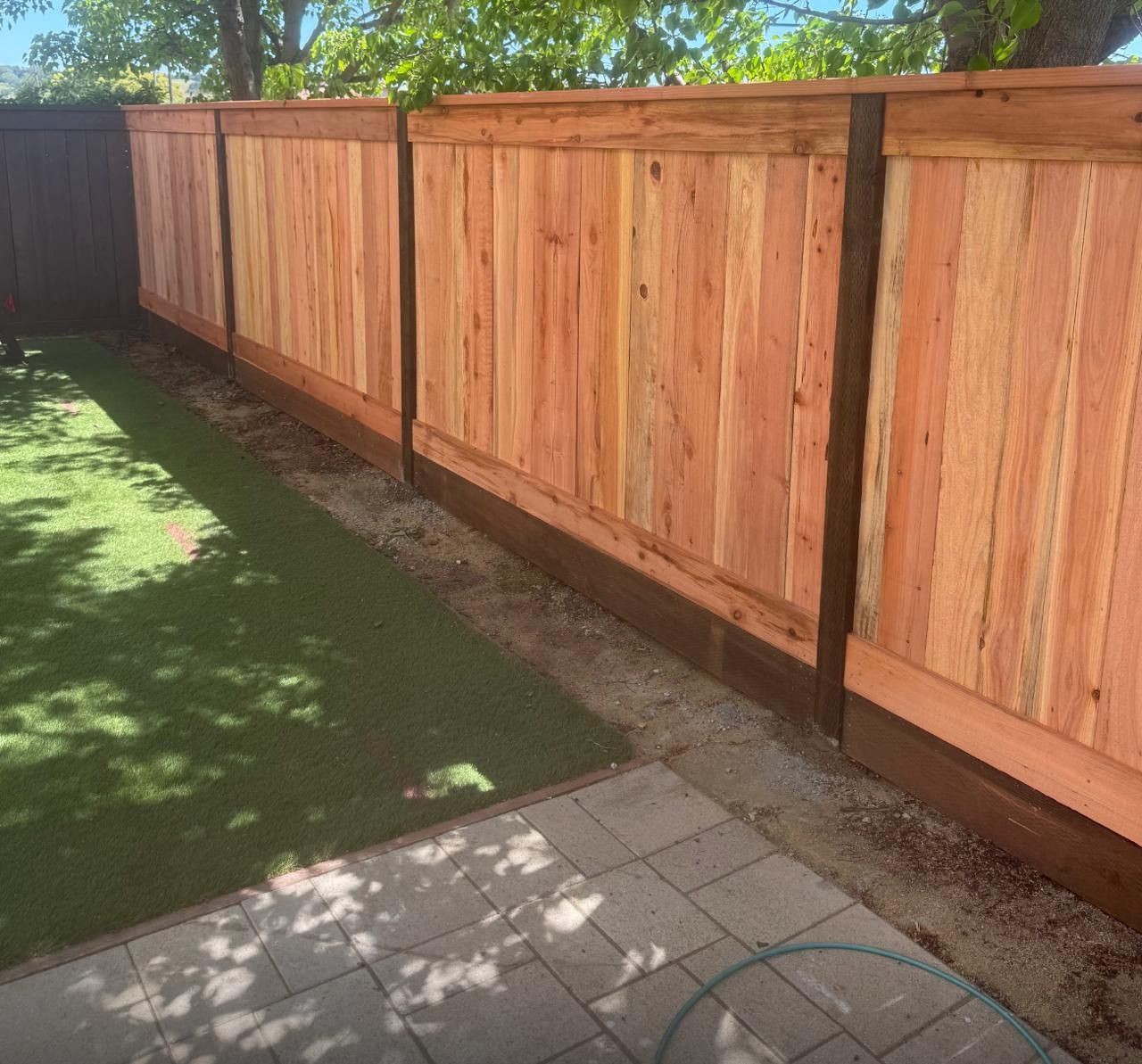
We help determine whether damaged posts or sections can reasonably be repaired, or whether broader deterioration makes replacement the better option.
Hayward’s western edge includes low-lying shoreline areas, so drainage and existing ground conditions can be more important than slope on some properties.
Much of Hayward’s housing was developed during the post-war decades. Older fence lines may have accumulated repairs, concrete, replaced posts or alignment changes that should be reviewed before rebuilding.
Near the Hayward Hills and Fairview, changing grades can affect stepped sections, sight lines, gate placement and how the fence meets landscaping or retaining features.
The Hayward Fault runs through the region, and the City provides parcel-level fault-zone information through its GIS tools. We do not treat a fence as a geotechnical structure, but if a property has known fault-zone, slope or other site constraints, those conditions should be identified before work begins and handled according to applicable requirements.
Send the Hayward address, photos, approximate footage and number of gates.
We look at access, slope, existing posts, gate locations and the fence style you want.
We explain the recommended build and what the project will involve before work begins.
Yes. Hayward stretches from low-lying shoreline areas into the East Bay hills. Some lots are relatively flat while hillside properties can have noticeable grade changes, so drainage, fence transitions and gate placement should be planned around the actual property.
Yes. We install Board on Board redwood privacy fences, Traditional Dog Ear fences, redwood gates, repairs and complete fence replacements in Hayward.
Both terms describe the work we provide. Hermanos Fence is a local Hayward fence contractor and fence company specializing in residential redwood and wood fence installation, privacy fences, gates, fence repair and fence replacement.
Yes. Send clear photos, the Hayward property address, approximate linear feet, preferred fence style and number of gates. That gives us a strong starting point before an on-site visit.
We serve homeowners throughout Hayward, including areas around Southgate, Glen Eden, Jackson Triangle, Tennyson, Mission Boulevard and nearby hillside communities, subject to project availability.
Tell us what is happening with your current fence and what you want to change.
Send photos if you have them, approximate footage and the number of gates, and we can help you figure out the next step.
Call (510) 916-4135Prefer not to call? Send your project information here.